The Ship Found Perfectly Upright on the Sea Floor
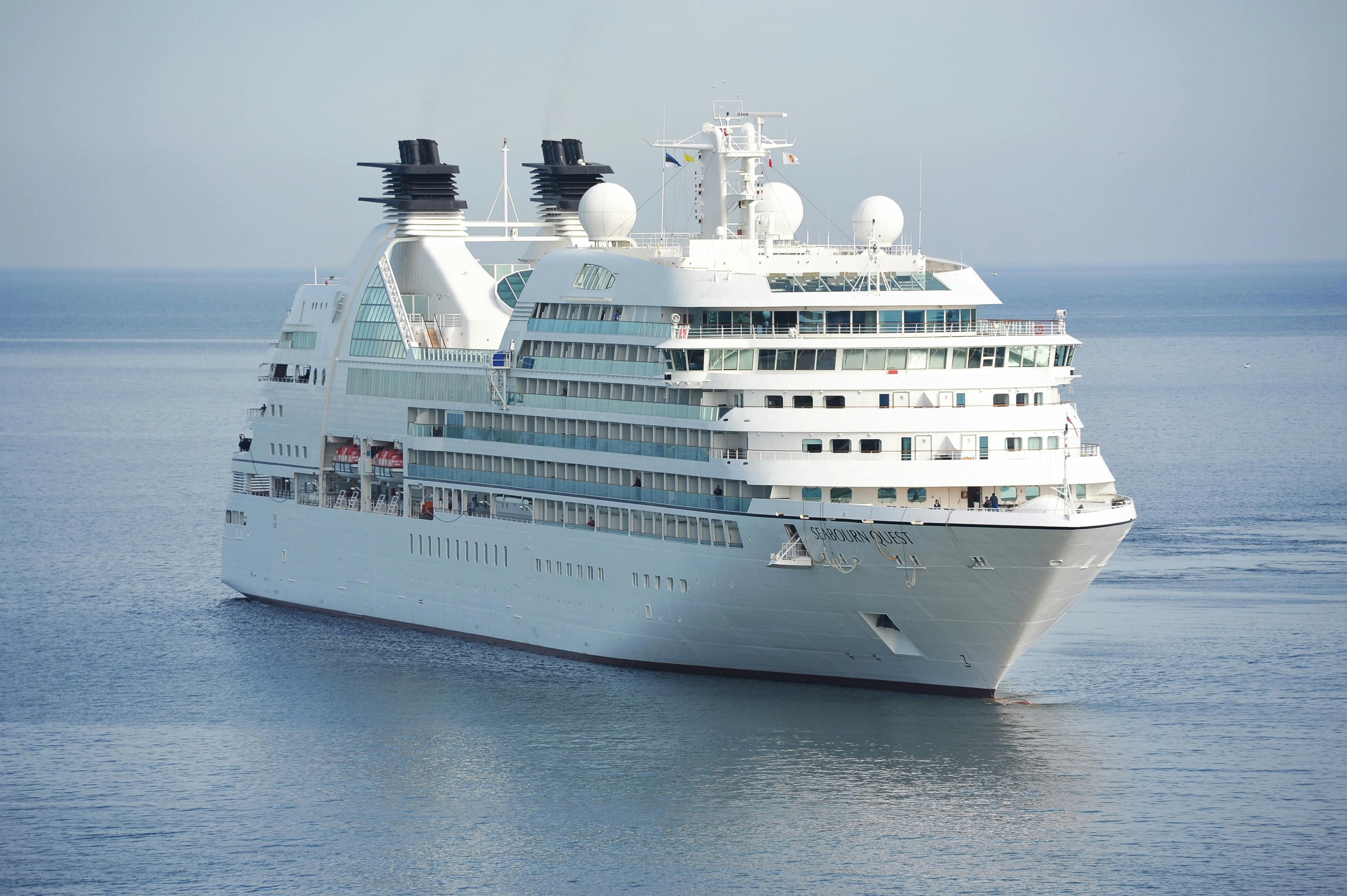
In 2019, deep sea explorers found the SS Quest sitting straight up on the cold ocean floor off Canada. The wooden ship sank in 1962, but it looked like it had just parked there on purpose. It stayed hidden in the dark water for over sixty years without falling over.
The ship is famous because Sir Ernest Shackleton died on it in 1922 during his last trip to Antarctica. Decades later, a team used sound waves to track down the wreck under 130 meters of icy water. They found it completely intact, standing tall in the mud off the coast of Labrador.
Why Did the Ship Stay Upright When It Sank?
Most ships roll over or break apart when they take on water and hit the sea bottom. Weight inside a ship shifts fast as water rushes through the rooms. Heavy engines pull the bottom down, but trapped air in the deck can make the top flip over on the way down.
The SS Quest was different because of how men built it in Norway back in 1917. It was an icebreaker made of super hard oak and fir trees. The hull was thick and shaped like a round bowl to push through heavy ice packs. When water filled the hull in 1962, the ship sank slow and even, settling straight onto its flat wooden keel.
John Geiger led the search team from the Royal Canadian Geographical Society. He said the ship looked almost ready to sail when the camera light hit it. The main mast was broken, but the rest of the ship sat square on the sea bed. It looked like a ghost ship waiting for its crew to return.

How Was the SS Quest Found After Sixty Years?
Finding a small wooden ship in a huge ocean is very hard work. The search team had to look through old ship logs, weather reports, and fisherman stories. They mapped out a grid of five hundred square miles near Newfoundland and Labrador.
They used a tow fish, which is a metal device pulled behind a main boat. It sends sound waves down to the ocean floor to draw pictures of what is down there. You can learn about oral history methods that help experts collect old stories to find lost history like this.
On day five of the search, the sonar screen showed a strange dark shape. It had the exact measurements of the SS Quest, about 111 feet long. The shape was standing straight up, casting a long shadow across the flat mud bottom. Everyone on the deck stopped talking and stared at the glass screen.
What Made This Ship So Famous in History?
The SS Quest is not just an old boat, it is a big part of polar story history. Sir Ernest Shackleton bought it in 1921 for a new trip to the South Pole. He wanted to go around the Antarctic continent and find new islands mapped by no one else.
Shackleton was already famous for keeping his men alive when his old ship, the Endurance, got crushed by ice. But on January 5, 1922, Shackleton had a sudden heart attack inside his tiny cabin on the Quest. He was only 47 years old when he died near South Georgia Island.
After his death, the ship kept working for another forty years. People used it to hunt seals, rescue stranded sailors, and explore unknown northern waters. It survived giant ice storms and big waves until an ice floe poked a hole in its side in May 1962. Just like The Lost Hiker Who Survived on Snow and Sweets, the crew had to stay calm to stay alive during a cold disaster.
How Do Ships Survive So Long Deep Underwater?
The water off the coast of Labrador is near freezing all year long. It is dark, quiet, and very cold down there. That cold water actually protects old wooden boats from rotting away.
In warm water, tiny sea worms called shipworms eat wood very fast. They can turn a huge wooden ship into dust in just ten years. But shipworms cannot live in the freezing water of the North Atlantic. That is why the wood on the SS Quest is still hard and clean after sixty years underwater.
The deep water also keeps the ship safe from big waves and winter storms. Up on the surface, ocean waves can smash heavy steel boats to pieces. Down at 130 meters, the water moves very slow. It is like a giant glass display case that keeps history fresh forever.
What Will Happen to the Wreck Now?
The team that found the SS Quest decided to leave it right where it lies. They do not want to lift it out of the water or break off pieces for museums. Bringing old wet wood up into the warm air can make it crumble fast.
Instead, they plan to send down underwater robots with smart cameras. These small machines will take thousands of close photos of the deck and the cabin. They will make a 3D picture of the whole boat so anyone can walk through it on a computer screen.
It is important to remember the Norwegian crew who were on board when it sank in 1962. They worked hard for two days trying to pump the cold water out. When they knew the ship was lost, all twenty-one men got into tiny lifeboats and made it to land safely without a single person dying.
If you love stories about people who push through hard times, read anchor text about the topic to see how real people face tough wild places. You can also read more about a human-interest story to understand why we care so much about these lost ships.
Next time you look at a big map of the ocean, think about what is sitting down at the bottom. There are thousands of lost boats resting in the dark right now. Would you dive down to see a ghost ship if you had the chance?


Comments
Post a Comment